Wednesday, 6 March 2013

The oldest student in town

Yesterday morning 7-9am I sat with c 150 students; 2nd year Medicine, in a lecture about medical responses in disasters and emergencies. Nicaragua is at risk of earthquakes, hurricans and volcanoes, so this is an important theme. It was so interesting! The lecturer was very witty, making serious points using humour. He was very strict about punctuality and gave a hard time to those who were late. Oxford Brookes has a course on Development and Emergency Planning and they are interested in bringing students here. The lecturer here is very keen on this collaboration so we have exchanged email addresses and I'll follow up when home.

He, and the director of the faculty, offered to show me round the Medical School (other tours have been in research units, this was where they teach Medicine). I said that would be interesting, but stressed that I'm not a medic, but a wuss, so didn't want to see anything gruesome. Fat chance. I'll spare you the details and didn't take photos. I did not expect to see such things... It's a surprise a day here.

I moved house and am now staying with Jane and Andrew.

Patio in El Carbon restaurant
Later on yesterday I and Aurora were treated to lunch with another colleague of Aurora's called Edmundo. He studied his PhD in Bath and takes the word "Anglophile" to whole new dimensions of enthusiasm. He has "Sailing By" on his mobile to remind him of the BBC. The restaurant was beautiful (see below) and we had great conversations and laughed a lot. It was fun.

Aurora and Edmundo


It was back-to-back meetings as I also met up again with the leader of the women's rights campaigners. She's very inspirational and I appreciate how lucky I am to be European. Life is much harder here, especially for women.

The vice-rector of the university is also keen to work with Oxford and yesterday's meeting was about students of Spanish spending part of their year abroad here. She fixed up another meeting today with a member of the Spanish Literature department. Lots of emails and reports to write once home.

Gotitas de Esperanza (Little drops of Hope): a pre-school run by Project Opportunity

Today I visited more projects to do with schools and pre-schools, run by retired professionals from Seattle. They were great! One of their projects is teaching first aid to teachers, bus drivers and other groups. Sadly there is a lack of such training here. They said that in Seattle everyone can do CPR so it's the safest place in the world to have a heart attack. The above photo is a newly-built pre-school and is a lovely building. It has very deep foundations and is designed to be "earthquake proof" as far as these things can be, and would be the gathering point for the community in the event of a disaster.


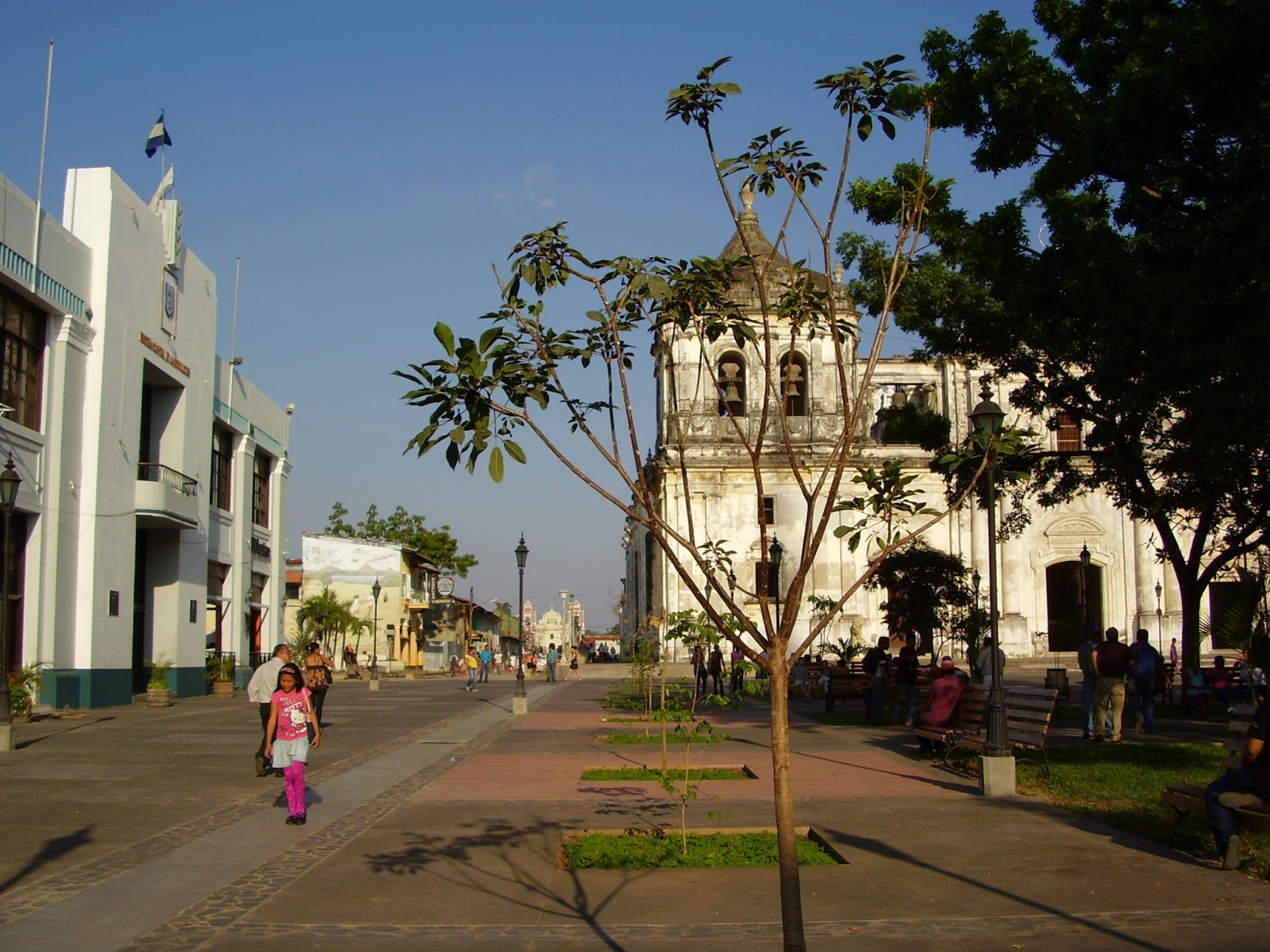
This afternoon was the postponed official opening of the renovated square by the cathedral. Jane and I received invitations from the mayor's office. A shame the others missed it as it was postponed from last week. It was quite a big event with speeches by the bishop, the mayor, the Spanish Ambassador and other dignitaries. There was a minute's silence for Hugo Chavez. His death is big news here.

Now I'll give Jane a hand with dinner. She has made a bread and butter pudding. It's over 30 degrees. But she's acclimatised and wants to make something English for the American guest who'll join us. Much as I love puddings, it will be a challenge in this heat... But then I've had worse challanges.

Monday, 4 March 2013

On the roof of the cathedral


View from the roof of the town hall and a distant volcano.
The curve framing the top is the bell.

From the ground looking up to the bell tower.


Cupolas on the roof. It made me think of Gormanghast.

The ballustrade, rooftops and another volcano.

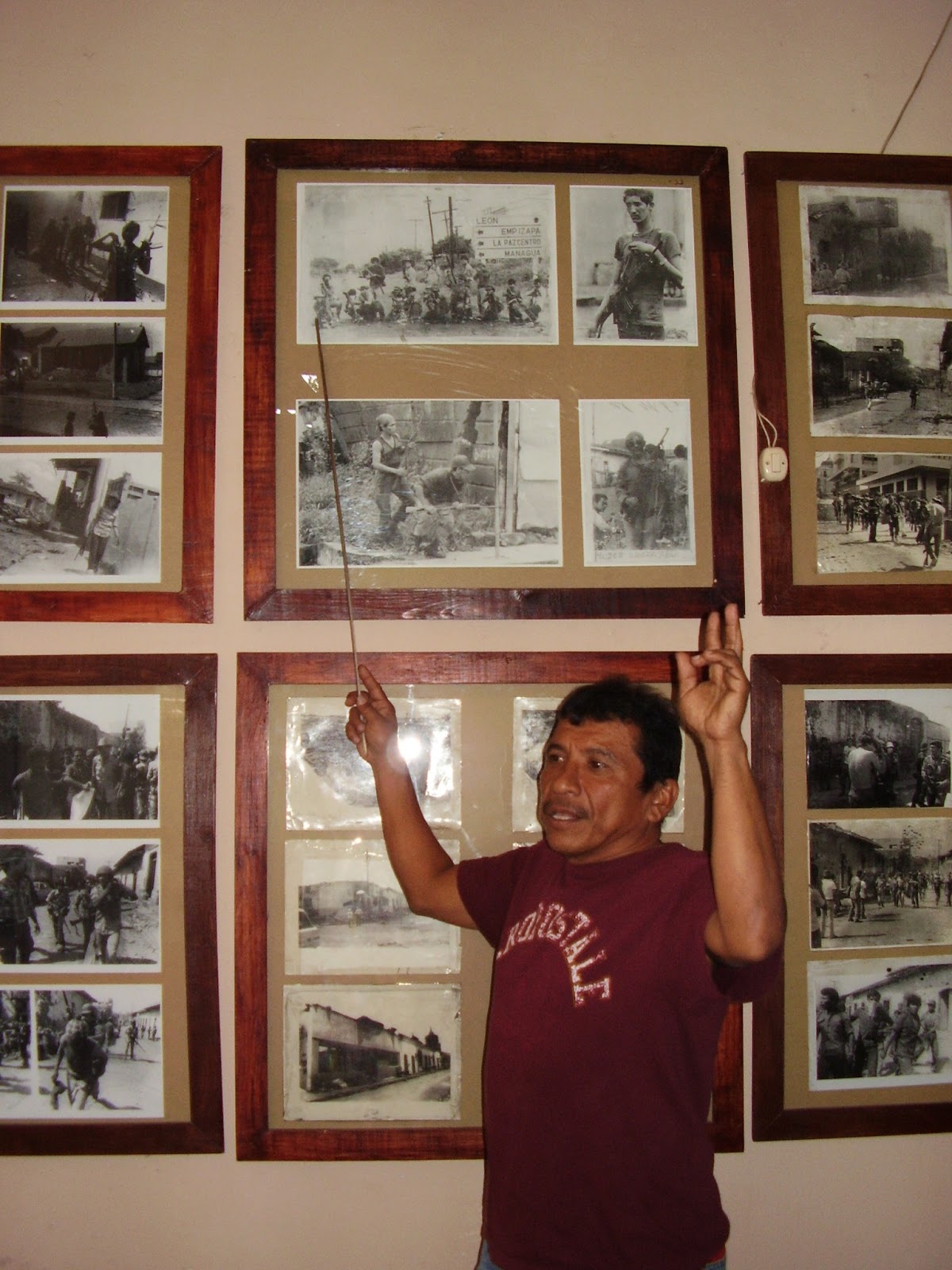
Museum of the Revolution


The guy in the hat is Sandino.


My guide is pointing to himself, as a guerrilla, aged 19. I asked about the other men in the photo and he told me which ones were killed and which ones survived. He and I must be a similar age, yet he looked so old (then maybe I do to him). But given what he has lived through, it´s hardly surprising.


These bricks pave many of the roads here and they were made in Somoza´s factory. During the revolution, people used these as ammunition when defending themselves against the soldiers. It was all pretty gruesome.

Stairway to Heaven?

The building the museum was in, was surely once very grand but very run down now, as you can see more clearly in the photo below.. Apparently UNESCO have named it a world heritage site, along with the cathedral. The guide seemed to think that this means funds to renovate it. We´´ll see.


View of the cathedral and square.


My lovely hosts

This is the house where I´m staying. Doors are left open to catch the breeze. Colleagues please note that this is Nicaraguan Blue, which is everywhere, and it has nothing to do with the Fens.


These are some of the trees in the back. We ate the papaya for breakfast.


Dra Aurora in a rocking chair.


Part of the University in León.

This morning Andrés took me around his department and introduced me to lots of people. It´s hard to believe that Oxford could be rivalled in international co-operation and research but they are working on projects with universities in Sweden, Canada, the USA, Czech Republic, Germany and more and many of the staff have studied abroad.

In the afternoon Aurora showed me round the Medical Campus, which is out of town. Again I was introduced to any researchers. One of them studied in Bath and he was delighted to meet a Brit. We´re having lunch with him tomorrow.

Tomorrow morning at 7 (yes, 7!) I´m going to a lesson about disaster management! This is part of my networking and I hope to speak to the tutor afterwards about field trips for students from Brookes. Could you imagine students going to lecture at 7am in the UK?


Sunday, 3 March 2013

Children´s projects

This is now going back several days - due to technical delays now resolved as I have the use of Aurora´s computer.


This was on our second morning here when we visited a primary school called El Platanal. It is in a rural area a few km from León and there was an issue with children being kept from school to work in the fields. The authorities are aware of this issue and support such projects, but don´t have the resources we are used to in Europe. A group in Oxford called BOAT fund a breakfast club here. Feeding the children encourages the families to send them to school and there is a rota for the mothers (but not the fathers) to prepare the food.

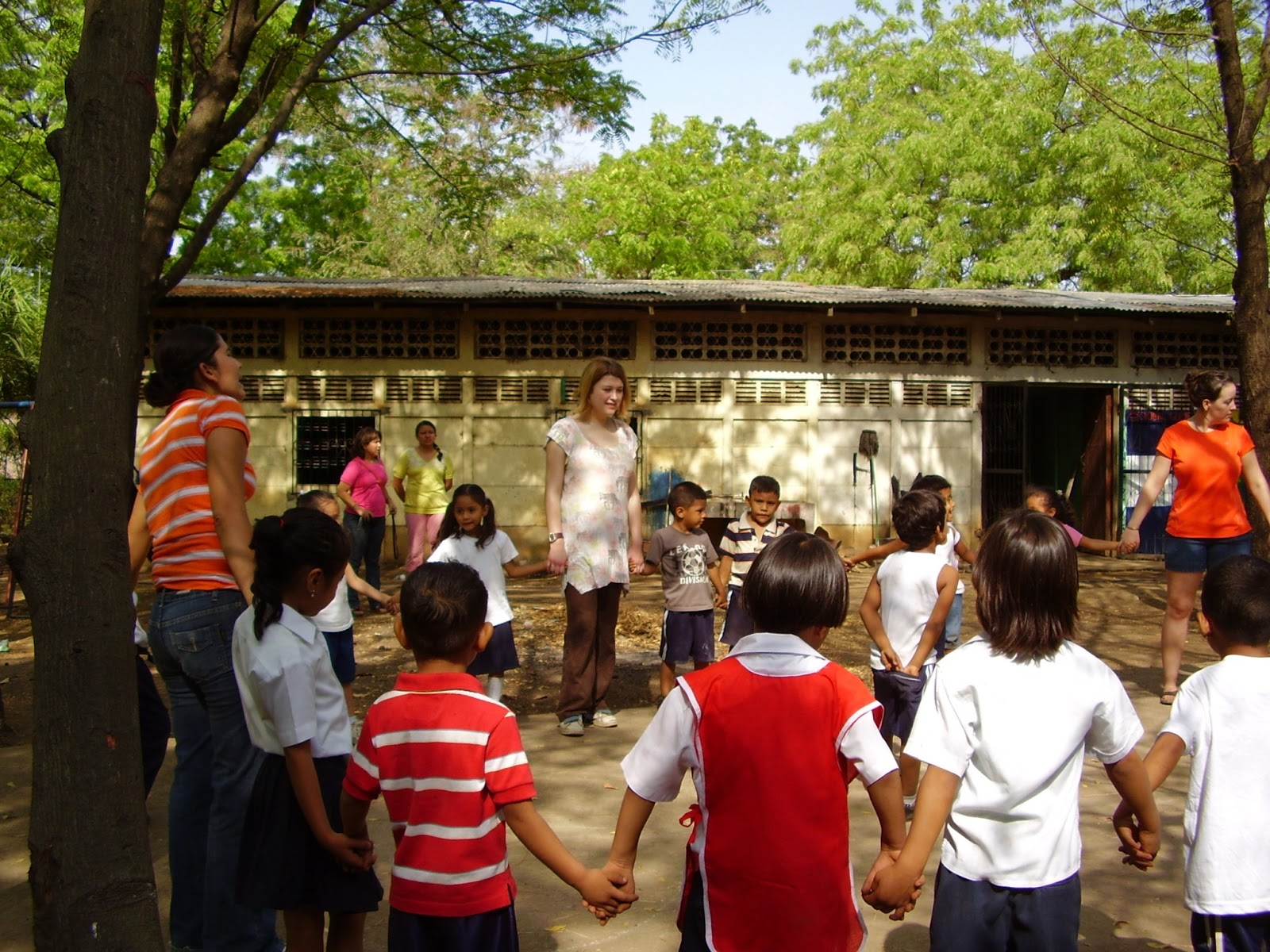
Next we went to a nursery school in León called Los Ositos (the teddy bears). We have sent funds for equipment here. Jo and Pete (he´s out of shot but was there- honest) joined in the games.


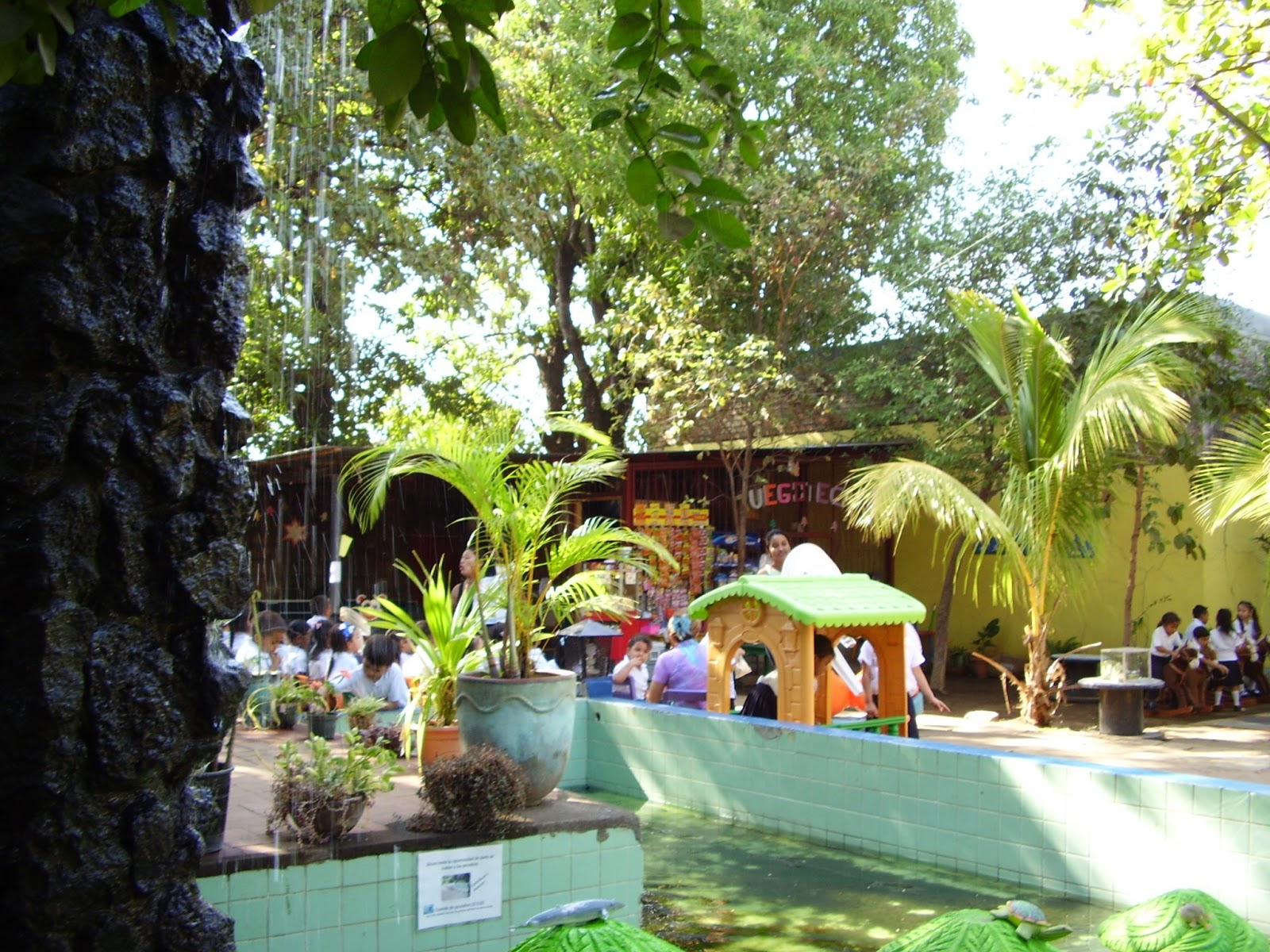
This is a play park in the city, called La Juegoteca and it felt like an oasis of cool. The council have donated the land and a group of p/t workers and volunteers run it as a play centre and sort of after school club. Families have to bring plastic bottles for recycling which are then sold to help fund it. They don´t allow litter and are teaching the children about keeping the area tidy and taking pride in their city. They encourage educational play and have a toy gun amnesty, where children can exchange violent toys for educational ones. The irony is that one mother told me that her son begged for a water pistol so he could exchange it for a toy here. An example of unforseen consequences. It was a lovely place with a small waterfall and an enclosure with tortoises.


Another view of La Juegoteca.


Children doing a traditional dance, which is telling some sort of story or legend but I don´t know what. This is in the NECAT centre. NECAT is another NGO with Oxford links and the centre is a sort of after school club with a library and travelling teaching resource. It is part-funded by a shop at the front, but we had such a tight schedule there was no time to buy anything so I hope to return this week. The children put on quite a show for us.


This is a "gigantona" dancing as part of the show the children had prepared for us. A gigantona, or giant woman puppet, is an important part of Nicaraguan culture and she is carried by someone under the skirts and bought out at fiestas. We have one in Oxford, which was brought over in 2008 by visitors from León as a gift to the people of Oxford. We, in the Oxford León Assn, think it should be displayed in the Town Hall. If you agree, and live in Oxford, please write to your city councillor.


One of NECAT´s projects is this mobile teaching resource that is taken to primary schools in the city. It's a tricycle with a big box of tricks. The young man´s T-shirt says "we are the sons of the revolution and history". He is a student volunteer with this project.


The lesson was about volcanoes and they had models of local ones. Using baking powder, sparklers and other things they put on a show but sadly I didn´t catch the full eruption. The children liked it and afterwards we were introduced and they asked us questions. I explained that we came from another country far away. "¿Like Costa Rica or Honduras?" Trying to tell then about England and Sweden was beyond their comprehension so I talked about cold and snow. One of the ladies from Lund in Sweden was there too. It is also twinned with León and our delegations overlapped.


Saturday, 2 March 2013

Farewell drinks


John, Mike and ¨Pete on their final evening in Nicaragua, forcing down some beer,


This was our view. Note that the sand is black and not white or golden. This is because this area is volcanic.


The waves were huge and it is a surfing coast, with very few people as tourism is still underdeveloped.

On the farm

So I´m now staying with doctors Aurora and Andrés. Andrés explained he has a small farm/piece of land. It´s full of indigenous trees and is all organic. He likes to go there on Saturdays and exchange his surgeon´s scalpel for a machete. We saw the following trees; mango, coffee (the beans taste fruity), bamboo, cedar (very weedy looking), banana and plantain and others...


He´s holding a cashew and cut it very neatly. The nut grows at the bottom of the fruit that he´s about to cut. I then sucked the fruit, which is sort of like mango but with a distinctive flavour. The juices stain, so I had to lean forward in a most inelegant way and still got messy. Good thing I had some wet wipes... Andrés gave me the nut to take home and plant.


Had I known when I got dressed this morning that I would be picking cashews, I would have worn a top that didn´t clash. But who could have forseen this?


A chocolate tree. How could I not be happy here?


This is what the cocoa looks like. There are lots of seeds, each about the size of a broad bean. I sucked one and it tasted fruity, quite like lychee. The inner bit is dried and then cracked open to remove the seed. They use it to make some sort of drink. I supect it´s not like Cadbury´s drinking chocolate - which is unthinkable in this heat. The ones we sucked have been planted in a small bed at home and once they start to grow as trees, they´ll be planted in the wood.


This is the cocoa, growing directly on the trunk of the tree and it comes from those tiny wee flowers.


Andres´ son "fishing" for mangoes with a net on the end of that pole.